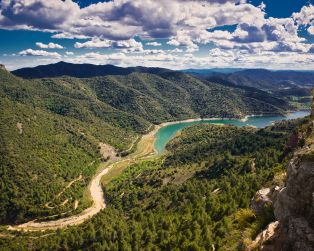
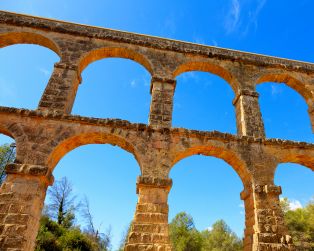
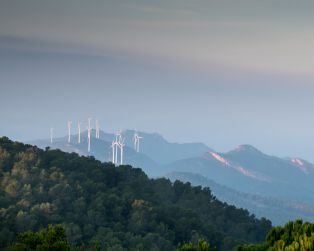
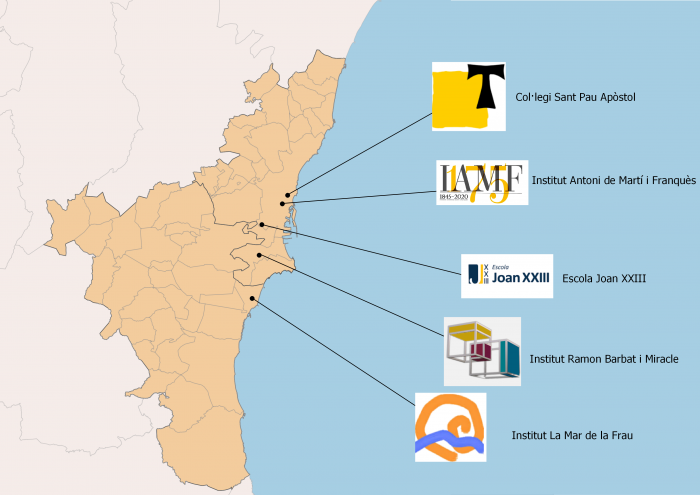
EDUCLIMAD project is carried out in one of the areas considered to have the most environmental and climatic problems in Catalonia: Camp de Tarragona.
The Department of Climate Action, Food and Rural Agenda of Generalitat de Catalunya, the Provincial Council of Tarragona and local entities assign a key role to climate action. Tarragona and its closest surroundings are considered as a location with a unique treatment in terms of air quality as it is a dynamic region, where the second largest agglomeration of inhabitants of Catalonia is located, with the largest chemical complex in southern Europe, which at the same time coexists with an important tourist and agricultural activity. Its geographical location, on the Mediterranean coast, implies the recurring and increasingly frequent presence of extreme meteorological phenomena, such as heat waves, droughts and torrential rains, in some cases related to storms such as Gloria.
In order to face this complexity and look for a balance between the social and economic development of the territory in a responsible and sustainable way, it is necessary to implement participatory and citizen science processes that allow awareness raising and a greater knowledge amongst general public. It is also necessary to involve and empower people and the different social agents to identify indicators and help transform citizens’ perceptions towards the environment, implementing processes in which citizen science can make a real contribution to sustainability.
In this sense, the casuistry (population + chemical industry + tourism + agriculture) in Camp de Tarragona represents an interesting living laboratory to develop the EDUCLIMAD project, where school climate assemblies can lead to a constructive debate and shared decision-making on the future of this territory, including reflection on the natural environment, economic activities and the energy and social model.